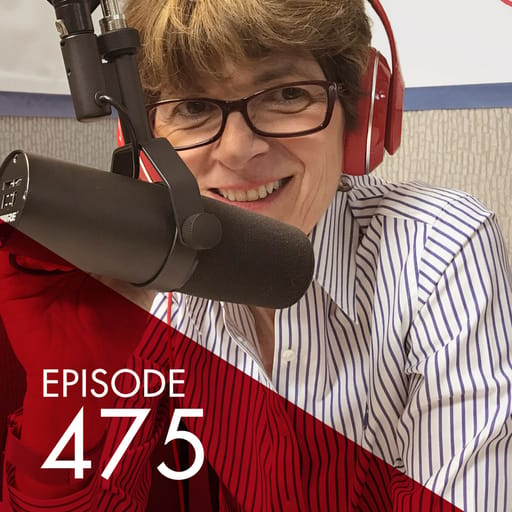
Transcript 0:00 [on-hold music] Talk to me. Information, news and entertainment on demand. WUS radio.com. 0:10 [on-hold music] Welcome to The Peggy Smedley Show, the voice of IoT in our connected world, with your host, Peggy Smedley. [on-hold music] Welcome back to The Peggy Sledley Show. 0:27 I'm your host, to-- Peggy Smedley. My next guest has experience in wireless and the MDM industry. He was PeopleNet. He was at PeopleNet for eleven years before Trimble acquired it in two thousand and seven. 0:40 He has held various positions, including Chief Technology Officer, for Chief Financial Officer and Chief Operation Officer. 0:48 In his current role, he brings extensive leadership experience in corporate strategy, manufacturing, operations, technology, finance, and business development. Please welcome Rob... Ron, I should say. Excuse me. 1:03 Cosni-Cosni-Cos... I should say this right. Ron Cosni, President and CEO of Digi. Ron, please welcome to the show. I think I had a mouthful [laughs] there. Welcome. [laughs] Yeah. Thanks. 1:14 Well, I've been called worse, Peggy. I've been called Cosneezney before, so you didn't do it that badly. [laughs] All right. Well, tell us how you say it properly, Ron. Yeah. Ron- Ron. Ron Cosnezney. Cosnezney. 1:24 All right, we get it right, Ron. So welcome to the show. So, and you know what? Thanks, Peggy. I think this is the first time we're actually talking. That's right. That's right. Very nice to meet you virtually. 1:34 Yes, virtually. So if I can get this right without, like, messing up your intro, I'm so excited to actually have a chance to really talk to you because, you know, Digi does some amazing things. And you know what? 1:44 I've, I've talked to Digi so many times, but what's really exciting is that you guys have been some-- doing some really disruptive things, I think, changing the marketplace, and I'm interested in understanding how you think the market is gonna continue to be disruptive, I think, in the ways companies need to go to market. 2:01 And I think it's interesting because I think the Internet of things and the enterprise is constantly gotta be disruptive. 2:08 And I've said it along, and I think manufacturers are struggling with using that word disruptive, but I'm kind of curious how you think of that, because you guys have been in that space for a very long time with manufacturers. 2:22 Yeah, it's interesting. Digi, you know, has a history going back to nineteen eighty-five and, and sort of was the original, uh, connected or IoT company helping connect people to computers back then. 2:32 And over time, we've implemented different wired and wireless technologies, and now are much more machine-focused. 2:39 And, uh, the machine to machine experience that Digi has is now transferred over to the Internet of things world, where, um, where the, the examples have just exploded beyond networking computers to networking machines and assets and, and people. 2:54 And, and, you know, the combination of technologies now are, are really, I think, forcing even companies like Digi and our customers to be much more integrated. 3:04 Instead of providing just hardware, you provide the software, the connectivity, and sometimes the, the, the user interface to help the IoT application come to life. But w-what's the difference? 3:17 I mean, honestly, everybody asks me what's the difference between M2M and IoT? W-w-- How would you define it? 3:23 Because you've made that transition, and I know how I define it, and I tell my listeners the definition, but someone like you who's been around for so many years and now makes that transition, how do you make-- how do you help your clients understand the difference? 3:39 Yeah, you know what? T-traditionally, I think a machine to machine is a subset of IoT. 3:42 That machine to machine is a, is a very important and critical function and stresses the remote access or, or, um, or, uh, or, or download of information from a machine. 3:53 Internet of things, I think goes even further with, uh, a, a stress on the use-user application. There's a tremendous amount of data that's collected in these applications now. 4:03 So what's happening is not only providing easy access to this data and, and pointing out the, the real data that matters, but also then diving into analytics. 4:12 And eventually now we're hearing a lot about artificial intelligence to, to help us make sense of all this. 4:18 I don't know about you, Peggy, but it just is impossible to keep up with all the information that's being generated. 4:23 We really need, um, these, these platforms to help us digest this data and really take action when it's necessary. So Ron, do you think the enterprise is truly changing in a way? 4:34 Because we've always said we've had this, um, enterprise information that's resided strictly on the plant floor. 4:41 We've had the information, we've had access to it, but now the enterprise is different because it's expanding out to the, the internet, so to speak. 4:49 So is the enterprise truly changing now because we can take it out, you know, out to the internet? Let's not talk about the security. Maybe we should talk about the security ramifications [laughs] of that. 5:00 But now that we can expose that information out, and, and artificial intelligence, I agree, it's changing everything, because now we've got the digital twin, we've got all kinds of things that we can include with that, but what are we also talking about with that by putting it out and, and, and putting it out into the cloud? 5:19 You know, we're, we're at this point now where because of the affordability and, and the reliability of technologies, we, we are creating really an information fabric that's helping companies become more agile, more informed, more intelligent. 5:34 And, and honestly, I think we're at the point where humans are the limitation, whether it's a, a fear of change or whether it's making sure that, uh, we all understand how to, to use the information or in the case of not using information if it's available. 5:48 I think we're up to the point now where technology is not so much the limitation as it is the, the, the people that are im-implementing it. 5:54 Uh, we have a couple of customers, for example, in, in food safety, where we implement a monitoring system and-The things you find out about how machines go through, uh, defrost cycles, how food temperature changes, uh, when, uh, doors open, door close, uh, repeatedly, how, uh, if you turn on an energy management system and inadvertently, uh, knock out a refrigerator's power and-- but don't know it until the next morning, uh, when, uh, power returns back on, uh, you don't know if that food has been, uh, properly stored and is safe to serve or, or medicine, which can be even a worst case scenario. 6:33 Uh, but this information is now much more pervasive and much more available, uh, which is, I think, making it much more disruptive in the enterprise. 6:41 So when we talk about these predictive analytics instead of being reactive, we're really changing the ability to kinda save lives in, in a lot of ways of what you're talking about. 6:51 So we're seeing in some really critical industries like food and healthcare that are changing the dynamics of the way you go to market, unlike ever before, is what you're describing. [lips smack] Yeah. 7:03 In the past, I think we, we always viewed compliance and regulation as a real ret-retardant to business and a real obstacle for, for profit-making. 7:11 And now a lot of these regulations and, and compliance mandates are becoming much easier to monitor, and people are realizing, "Boy, I'm monitoring this thing, and it's actually good business. 7:21 It's not just complying with a, a government regulation." 7:24 Um, and, and so the, the insight you gain from how things behave and, and the granularity of data has never been more, uh, more powerful, uh, to understand, and then, as you said, start to predict when equipment's gonna fail, when food should not be served, when, uh, solar panels should be misdirect-- sh-should be redirected, uh, to increase the efficiency of energy production. 7:48 All of this is unlocking tremendous productivity. 7:51 Are there other industries that you're really most ex-excited about, that you're seeing anomalies in, that you say, "I see the Internet of Things is going to really change dramatically," that for you, you're excited about? 8:04 [lips smack] Yeah. You know, I think, I think energy is, is gonna be a really, really important one for, um, for... 8:09 As, as energy becomes more distributed, uh, that's gonna be really more important to monitor, uh, its production a-and storage and usage. 8:17 We-- as I mentioned before, we're very excited about, um, about, about temperature monitoring for food and for medicine. 8:24 I think, uh, consumers are becoming much more, uh, discriminatory on where their food came from, what, uh, applicants were used to grow it, when was it harvested, how was it stored, how was it handled. 8:37 And they wanna make sure that, um, their fuel is, is, is being properly handled before, uh, before giving it to their kids or, or themselves. Um, and the same applies to medicines. 8:47 Um, you know, you've read about potentially the, the-- some of the huge disasters that have occurred over in Asia, where improperly stored vaccines have killed tens of thousands of people. 8:56 And, you know, those are things with today's technology we just shouldn't tolerate. When we look at that, when we talk about water consumption, we talk about kind of things like that, you know, natural resources. 9:09 I mean, are those the things that you're excited about that you just described, that we're gonna be able to see things, and, and as I mentioned earlier, that we never were able to predict, and that's gonna be kind of the time now that we're gonna say weather and things that, that are gonna change people's lives? 9:24 [lips smack] Yeah, absolutely, uh, Peggy. There's, there's now technology. We have a product called Connect Sensor, for example, that has its own self-contained battery. 9:33 And for a lot of the applications that you're talking about, there isn't always power available. 9:38 And with the advances in electronics and, and battery usage and, and, um, and, and, and sizes, you're able now to monitor things remotely for, for decades in some cases, that would be really impractical with, with yesterday's technology. 9:53 And that's just gonna enable us to have such a better understanding of how much resource we have, what's the quality of that resource, and, and our consumption of it. 10:02 And I think what's exciting that you guys talk about is the long-term ramifications of the Internet of Things. 10:10 Uh, is-- Do we see ultimately that there's something that we haven't even talked about that, that you, you see that we-- is coming? [lips smack] Yeah. I think, I think there's a, a-- uh, the best is yet to come. 10:23 I think one of the big challenges with the Internet of Things hypes is, is that the benefits have been very distributed. 10:30 They're-- They haven't accumulated to a few companies or a few industries, and I know investors in particular complain about there not being an outsized winner in the IoT. 10:38 But it, it truly benefits so many parties that you don't feel it as much as you would some other, uh, areas like, uh, shale gas, for example, you know, benefits the, the energy, uh, producers so much more than, than, uh, maybe some other, uh, jurisdictions or factions. 10:54 But, uh, but the Internet of Things, I think the, the best is yet to come. 10:58 The-- There's gonna be so many more applications that open up as costs continue to be driven down across hardware, across connectivity, uh, data, uh, storage, analytics, uh, ease of access and use of the information. 11:10 It ultimately should make it a better, cleaner, safer place for us, um, uh, with the combination of all these technologies. Well, Ron, I've really enjoyed talking to you. 11:20 I wish you guys at Digi the best and continued success. And our listeners can find everything from you guys at digi.com? That's correct. All right. 11:29 Well, thank you so much, and, and I hope you'll come back and talk to me again very soon. [upbeat music] Great. Thank you, Peggy. All right. Thank you. 11:36 All right, listeners, we're out of time, but certainly go check out Digi. Ron, he's the President CEO, and he gave us some great insight of what they're doing. 11:44 If you want, check out more about what's going on and what we've got with guests like that at thepeggySmedleyShow.com. We'll be right back. Peggy Smedley Show. With great technology comes great responsibility. 11:54 [upbeat music] Signal-to-noise, an electronic term with new relevance on the internet. 12:04 Connected World Media cuts through the noise of data overload and finds you the signal of important information.Information that will keep you current and aware of context in the Internet of Things. 12:16 Peggy Smedley shares her insights on The Peggy Smedley Show and in Connected World magazine, all online at connectedworld.com. Stay current and competitive at connectedworld.com. 12:29 [jingle] Thank you for listening to WS Radio. Improve your business and your life with useful information from experts and thought leaders. WS Radio is radio with ROI. 12:44 [jingle] With great technology comes great responsibility. Follow Internet of Things tech expert and futurist Peggy Smedley, repeatedly ranked as a top IoT and M2M influencer. 12:57 Go to peggy_smedley on Twitter for her take on the latest tech news and lively interviews with other industry insiders on her weekly radio show. Visit twitter.com and search for peggy_smedley to follow her today. 13:13 [jingle] The richness of your life is reflected in the shimmering elegance found at D.O. Lun Design. One-of-a-kind jewelry and pieces from Cynthia Dillon in silver and gold help to express your unique personality. 13:30 The flowing designs of her creations will empower the way you move throughout your day. Join us online at dolundesigns.com. 13:43 [jingle] Did you know the majority of radio listeners are between the ages of thirty-five and fifty-four, have a household income of more than one hundred thousand dollars, are classified as executives or professionals, and share the show they listen to? 13:57 Become part of The Peggy Smedley Show to reach listeners looking for information on connected devices through cost-effective radio commercials or segment sponsorships. 14:06 Contact us at six three zero nine three three zero eight four four for more information, or visit peggysmedleyshow.com. [jingle] Small businesses are the lifeblood of America's economy. 14:17 Every Thursday, SBA Radio interviews industry professionals and is dedicated to provide small businesses with timely insights and innovations. Visit www.sbaradio.us for details. 14:29 [jingle] Education, industry experts, back to the basics. Is your company using the Internet of Things to its fullest potential? 14:36 Enlist the Peggy Smedley Institute and its team of experts to create a customized plan for how to apply the IoT to your specific needs. 14:44 Learn everything you need to know to achieve tangible business outcomes in today's digital economy. Contact us at six three zero nine three three zero eight four four. 14:53 At six three zero nine three three zero eight four four, or visit learnatIoT.com.