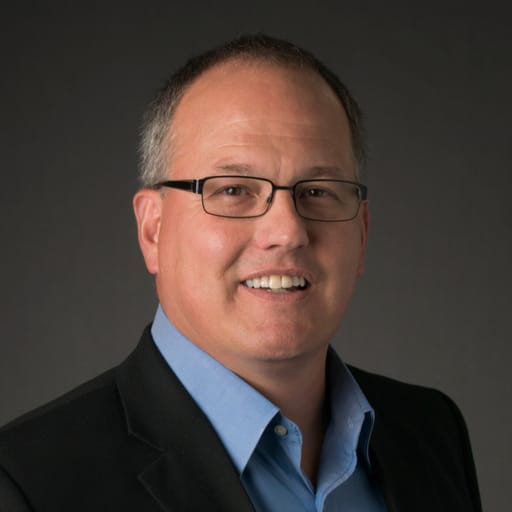
Transcript 0:00 [on hold music] You know, the Internet of Things is creating a whole new customer experience, uh, and economic value, and I think it's improving the quality of life for a number of, of people or industries, and I think, uh, across the globe. 0:14 And it's something that I think is important to understand is that the... you know, in the tech world, it's full of, you know, here today, gone tomorrow type of operations. 0:21 At MultiTech, celebrating its fifty years of innovation, we want the people to understand that we're here. We're gonna, we're gonna be with you through the life of your solution. 0:30 [upbeat music] Welcome back to The Peggy Smedley Show, the podcasting voice of IoT and digital transformation. Hello, listeners, and welcome back to The Peggy Smedley Show. 0:47 My first guest has been with his company for more than thirty years, twenty-five of which he has spent in engineering, design, and global certifications. 0:56 He is currently responsible for all aspects of its US-based manufacturing from vendor management to quality assurance to on-time delivery. Please welcome Terry Boe, Vice President of Operations for MultiTech. 1:11 Terry, welcome to the show. Thank you. Thanks for having me. Terry, you know, you and I have had many a conversations. We've had it on the plant floor. Now we're on the radio. It's really great to have you with me. 1:22 So these are crazy times, and I think because they're crazy times, their manufacturing is a very important part of what's happening during this COVID-19 pandemic, and we talk about essential businesses, and manufacturing is one of them. 1:39 And MultiTech is an organization that is showing that it's important, and it's an essential business, and you've been around, been a critical part of MultiTech. 1:50 When I interviewed MultiTech several years ago, and you and I sat down, and we talked about the many challenges of being in a business that has been so versatile as MultiTech. You've seen it grow over... 2:01 It's celebrating, I think, right now it's fifty years. Uh- Yeah. In fact, I wrote an article about that, celebrating that, and you've seen more than of the thirty years that you've been there. 2:11 You've seen a lot of challenges through manufacturing, through economic times. The current situation, I don't know that you can compare it to anything that you've faced in the past. 2:22 What's your take on what's happening right now? Well, it's certainly unprecedented. You know, we've, we've faced several supply chain disruptions in the past. 2:29 We've faced widespread illness in the past, but never to this level and, and magnitude and never all at once. 2:37 So we've been very fortunate to apply some of the things we've learned during those circumstances and, and did our best to put our supply chain in the best position we possibly could as well as, you know, at the same time trying to evacuate much of our staff here to, to work remotely. 2:51 So I think we're in no different situation than probably a lot of companies. But I think overall and so far we've been very, very lucky, and we have not had any team members personally impacted or affected by the virus. 3:03 So everybody's healthy. That's number one, right? So we always talk about that. So good news is they're healthy. So far everybody seems to be healthy, right? So far so good, yes. Okay, so that's important. 3:13 But now going further onto that, you're a hundred percent operational. Am I correct about that? You are running a hundred percent right now. That is correct. 3:23 We've had significant changes and, and implementation that our IT department had to do in order to get a significant portion of our workforce working from home, which certainly, uh, VPN throughputs and different things like that, so a lot of laptops and computers had to be deployed. 3:38 We certainly spent a lot of time going back to early January, really every year with Chinese New Year's, it's something that we work with, but this year it seemed to be very, very heightened in our approach to, to, to trying to get material in beforehand. 3:52 And it worked out, uh, to our benefit that we, we brought in a, a little more inventory than we probably normally would, but we were able to work through the China shutdown and, and now certainly, uh, with the shutdowns, not only in the States and, and the essential businesses, we've, we've been able to, to endure through this as, as from a supply chain standpoint. 4:10 And our employees have been very, very helpful in, in supporting that, uh, effort as well. So let's talk about that. 4:16 For, for those listening, I, I know there's a lot of us who are working remotely, or we should because, you know, across the country and we're all learning how to do that. 4:25 For a business that's essential, and there's a lot of us, and we're learning now, we're all learning why we need to have manufacturing back so that we can do things. 4:34 We need to be a still global in many ways in manufacturing, but what steps has MultiTech taken to maintain business continuity? Yeah. 4:43 It's something that the, you know, the government put out the information that all essential businesses or critical infrastructures, businesses need to maintain the, the operations, and we were, we were contacted by many of our customers who are in those sectors, whether it be healthcare, you know, water and wastewater, transportation, agriculture, energy, and they were all very important and essential that they kept their supply chain going. 5:07 So that meant we needed to as well. So I think our management here very early on started planning what would we do if we stayed open, what would we do if we had to shut down for a temporary period of time. 5:19 Uh, so I think we're doing that planning. 5:20 We worked with our local government here and, and, and filed the proper paperwork to work with them to make sure that, uh, they recognized us as, uh, as a critical business and essential business. 5:30 We also put out the letters to all of our supply chain, so we could make sure that the continuity of, uh, our supply chain was maintained through this as well. 5:39 So even though in Minnesota we are a sheltered home right now, we need to make sure we notified all those vendors that were shipping product in from outside the state, they recognized that we were still open for business and that they wouldn't halt any deliveries to us thinking that, you know, we were in a shutdown state. 5:56 So we've been, we've been working on this for quite some time and, and so far things haveRather well Can you help me? But what does it mean for you to be an essential business? 6:07 So for someone who says, "What does MultiTech do that makes it an essential business besides being manufacturing?" What specifically? 6:15 Well, we make product that our customers in those critical infrastructure segments, like healthcare, that are used for their products that are going out to help, may be used as medical devices or in conjunction with medical devices that are used in the treatment of this particular virus or disease. 6:30 So it is, it is something that I think we need to make sure that the lights stay on and that the product continues to flow to those critical segments out there, uh, when they need it the most right now. 6:40 I think it's also, there's also the other utility things that we need in our lives, right? There's all of those other things that we forget. 6:47 It's not just healthcare, but it's all the other industries that need to supply all the things that we take for granted all the time as well that you guys are involved in. Correct? Absolutely. Absolutely. 6:56 Transportation's a big one. 6:58 Energy is a big segment that we're involved in, even agriculture and the food suppliers and still need to maintain a level of business to make sure the sh- supermarket and grocery stores are still open so people can continue to, uh, even in a sheltered h- uh, shelter in place or shelter at home, they're still able to go out and get the necessary goods to move forward with their daily lives. 7:15 You don't wanna say it's funny, but it's almost sometimes we forget the things and necessities in life we need, those essential items when we say what's an essential business, all the things that supply and are need to be produced in an essential world to which we live, and a company like MultiTech is so behind the scenes sometimes, but is such an essential part of making businesses work. 7:38 Correct? That, that is correct. 7:40 I, I think, uh, well, you know, we play our, our role in it, uh, but I think there are a lot of other companies in a very similar role that are very important, and at no time has probably been more important than, than this right now as, uh, we face as a nation. 7:52 And when we all say this, we're all in this together, it literally means that because everybody is a specific cog in that wheel that keeps it going to keep everything moving along so that we're all getting what we need so that we're all safe and can continue to function in this world. 8:09 That's correct. It's kind of unprecedented time. We, we said earlier, it's everyone has to play their part. 8:13 It's, uh, from, from the product that we produce and provide to our customers, the product that they do all the way up and down the supply chain, I think it's important that people recognize that everyone's important to that supply chain, and any missing piece in there could shut down a, a, a lot of, uh, industries or, or segments of a very critical infrastructure for the country. 8:33 I have to imagine that some of the significant others and spouses sometimes get a little bit nervous when the employees say, "I have to go to work today," when they hear the rest of the world is sheltering in place. 8:45 So I have to ask, what specifically are you doing to safeguard the employees who are still coming to the facility? 'Cause some of them are not. I'm sure they're working at home, and they say, "Yeah, I'm staying at home." 8:57 That's where you told them, you know, don't come to the office. 8:59 But those employees that are coming to the plant, that are making sure the facility, they're making sure things are running and products getting out the door, what are you doing to make sure those employees are safe? 9:09 Yeah, we've actually done quite a bit, at least I feel so, that to minimize the, the opportunity, the risk of this illness coming into the, the factory. 9:16 Obviously, uh, employee safety and wellbeing is, is top of mind and, and priority for us. We've done things such as... 9:22 Well, first of all, uh, anybody that's not needed on a daily basis at the factory, they're working from home. That's number one. 9:29 We've moved work centers or workstations within different work centers to, to provide that extra social distancing. That's something we've, we preach on a daily basis. 9:37 We've added some additional cleaning cycles within the building a- as well as a, a daily deep clean of all common areas. 9:43 We have at least twice a day, we basically shut down the plant and have people clean their own work centers, sanitize the equipment, and anything that they've used for the, that period of time. 9:53 We've closed off parts of the building that are unoccupied. We provide gloves, masks, any large number of cleaning supplies for the, for the employees. 10:01 Uh, we've split or modified some of our shifts to try to minimize the number of people, uh, in the building at a given time. 10:07 We are screening for temperatures when employees come into work now to make sure that, you know, that's just one symptom that, uh, you can check for, but it's something we're capable of checking for, and certainly, we put a lot of responsibility on our employees. 10:20 Uh, there's a personal responsibility, and it's really a, a, a learning process for some of them. 10:25 We've got a very diverse workforce, and so sometimes language barriers come into play here, but we've done a lot of things, putting up signs in multiple languages and things like that to help people understand that it's important to sanitize and wash their hands and, and, and do social distancing. 10:40 And so that is something that we've done, and, uh, we'll continue to do through this, through this ordeal. And it's kind of interesting for those in... 10:48 And I love the idea that you say in, in other languages because sometimes there is that language barrier, and sometimes people don't understand, especially those who might not even know they have an underlying condition. 10:59 They might think they're totally fine, and we're finding out that a mask, we didn't need a mask, now we need a mask. We hear things from the CDC, and, and it's changing every... 11:08 I don't wanna say every day, but we're hearing new things. Uh, are you telling employees now to wear gloves, wear masks all the time, whereas before you might not have said that. 11:16 So now even the methods to which you might have in your operations, are you finding that those are changing as frequently as you're hearing things on the news or what we're hearing? Yes, absolutely. 11:26 It's something you need to stay up on, uh, what CDC and other medical professionals are doing. 11:30 We, we as a management group meet weekly to discuss those things and anything new that we need to implement here at the factory. 11:36 But again, it goes to educating the employees and talking with them and understanding that, you know, we can take all the precautions in the world here at, within the walls of MultiTech, but they need to take that level of personal responsibility when they go home as well and make sure that they're cleaning and sanitizing and social distancing the same thing, uh, at home. 11:54 Because otherwise, the next day when you come into work, you're bringing a lot of that right back in here again. So, um, it's important to just get the, get the messaging out and making sure we educate everybody. 12:03 If there was one thing you'd like our listeners to take away from our conversation, you said, "Look, now's the time to start thinking about where you have to go, how you have to do it." What do you want them to think? 12:15 Maybe there's a few things you want them to take away from this. 12:18 Yeah, I think, you know, the Internet of Things is creating a whole new customer experience, uh, and economic value, and I think it's, it's improving the quality of life for a number of people or industries, uh, and I think, uh, across the globe, and it's something that I think it's important to understand is that the... 12:33 in, you know, in the tech world, it's full of, you know, here today, gone tomorrow type of operations, and MultiTech celebrating its fifty years of innovation, we want the people to understand that we're here. 12:42 We're gonna, we're gonna be with you through the life of your solution, continue to deliver reliable, high-quality solutions, uh, that we've been doing for, for fifty years. 12:52 And, and we're a US-based manufacturer, uh, with, with a lot of high-level quality and certifications, and I think MultiTech is a smart choice for business. 13:01 Well, I have to tell you, Terry Bo, vice president of operations for MultiTech, I really enjoyed our conversation. 13:07 More importantly, I would love our listeners to know that you are staying safe and healthy, that you're keeping your team safe and healthy, and where can our listeners go to learn more about MultiTech? multitech.com. 13:18 [upbeat music] Okay, listeners, that's all the time we have for the show today. Remember, we are broadcast live every Tuesday at twelve PM Central. 13:24 Check out our website, connectedworld.com, or thepeggySmedleyShow.com site. As always, you can share your thoughts with me on Twitter at connectedwmag. 13:34 This is The Peggy Smedley Show, the podcasting voice of IoT and digital transformation. And remember, with great technology comes great responsibility. Keep yourself safe and healthy.