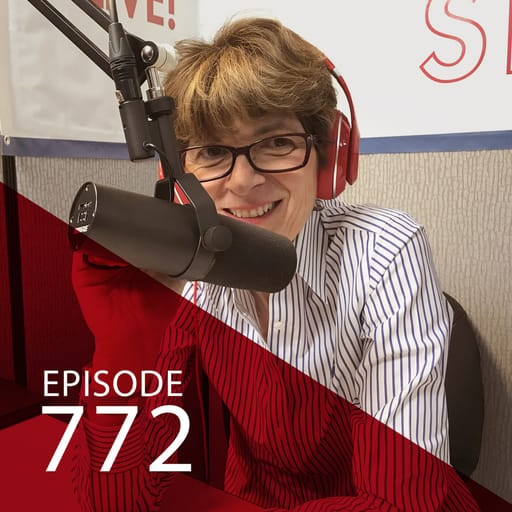
Transcript 0:01 Are we working better together? Do we need better sharing of knowledge, of information? 0:09 We need better understanding of how the technology works and how technology is actually evolving and how it will evolve over time. 0:22 We all need to come together and think about these things, ask these very important questions now, not later when it's too late and we're all scrambling to figure out what happened. 0:42 [upbeat music] Welcome to The Peggy Smedley Show, your voice for our connected world, with your host, Peggy Smedley. Hello, listeners, and welcome to today's edition of The Peggy Smedley Show. 0:55 I'm your host, Peggy Smedley. For today's show, we're going to be talking all about digital forensics and how it is a constantly evolving field. 1:04 As everyone always says, "Data, data, data," but as we also know, data is constantly growing. It's changing, and the methods and tools we use to collect the data is also evolving. 1:18 So for this reason, we need to make sure we are tracking and tracing the right data. 1:25 So as you can suspect, this creates a moving target for any vertical industry that leverages the data and for those considering digital investigation techniques based on that data. 1:40 A landmark 2019 study found that many forensics disciplines lack a solid foundation scientific research actually in that area, and now one organization is aiming to change that with new research. 1:56 Since this new research is now being explored more in depth, I thought we would go into even further kind of and dig into this topic a little deeper and uncover what comes next in digital forensics. 2:10 So stick around for that conversation. I think it's gonna be pretty interesting. But first, let's talk about who's gonna be on the show today. I will be talking to Akan Kasha. 2:21 M- uh, I will be talking to Akan Kasha Mian, Assistant Professor at Woodruff School of Mechanical Engineering, Georgia Tech, and then I'm gonna wrap up the show with Mike Kelly, Senior Research Analyst at Guidehouse Insights. 2:36 So I hope you'll stick around for the conversations today. So let's get started. 2:40 In recent years, several scientific advisory bodies have expressed the need for reviews of the scientific basis of forensic methods, and many call on one particular organization to conduct them, and that's NIST, also known as the National Institute on Standards and Technology, and it's a non-regulatory scientific research agency, and NIST was given the mission to advance measurement science, standards, and technology. 3:13 The organization has already been working to strengthen forensic science methods for, I guess you could say, many years, but now Congress has appropriated the funds for this body to conduct scientific foundation reviews in forensic science, and the reviews all aim to answer one very key question. 3:36 What established scientific laws and principles as well as empirical data exist to support the methods that, for forensic science practitioners, are used to analyze evidence? Now, it's a good question. 3:53 It really, if you think about it, is a great question and one that really needs to be answered, but it's not only going to be easy to answer it. In fact, 4:04 I suspect it will draw a lot of commentary, a lot of controversy, and perhaps a lot of opinions because from where I see all of this, it's an issue that a lot of people and companies are going to want to, and perhaps I think should, weigh in on. 4:23 But first, let's be clear. There are several challenges for digital forensics experts. As one example, the rapid pace of technological ch- change, as we always have been talking about. 4:37 We all know new apps and tools are becoming available constantly. 4:42 As I always say, the pace of change is not slowing down, it's only speeding up, exponential change, and we all have a lot of great innovators who want to keep creating, who want to keep this fast pace of change. 4:56 This makes the field of digital forensics a rapidly changing one and I guess you could say a moving target, and as we all know, a moving target is a very hard one to hit. 5:09 Enter NIST's new report that aims to change all of this. It has published the Digital Investigation Techniques, a NIST Scientific Foundation review. 5:22 Now, the draft report will open for public comment until July 11th. 5:28 Now, this represents the methods that digital forensics experts use to analyze evidence from computers, mobile phones, uh, any electronic, or I should say other electronic devices. 5:41 But basically, to conduct the review, authors examined peer-reviewed literature, documentation from software developers, uh, test results on forensics tools, uh, standards and best practices, documents. 5:58 Y- you get the idea. But here is what it found. 6:02 Digital evidence examination rests on a firm foundation based in computer science.And the application of these computer science techniques to digital investigations is sound. 6:17 Still, because of this field is kinda rapidly changing, like I've kinda mentioned already, there are still limitations that practitioners and stakeholders need to be aware of. So number one, think of it this way. 6:34 As with any kinda crime science, not all evidence may be discovered. Second, think of it like this. When recovering deleted files, the results may be include, uh, extraneous materials. 6:50 Kind of interesting when you look at it all. 6:52 And finally, examiners need to understand that as software is revised, the meaning and significance of digital artifacts created by the software can change over time, as do most things in life. 7:08 The report does recommend better methods for actually looking at information-sharing among experts and more structured approach to testing forensics tools. 7:22 Now, this should increase efficiency and reduce duplication across labs, which I find very important. 7:29 Further, it suggests we need to kind of have better approaches to testing forensics tools, better sharing of forensic, uh, reference data, and even better analysis of how digital evidence is actually used. 7:47 Now, think about that just for a second. 7:49 I found that really interesting when I was going through this report because it also suggests increased sharing of high-quality forensic reference data that can be used for education and training and developing and testing new forensic tools. 8:07 I mean, that's very important when we think and look ahead. We're not just always looking back, but thinking about looking ahead. 8:14 Perhaps most importantly, we also need better understanding of biases that still exist, and this is where my opinion actually lies for today because I find this so important. We all know data doesn't lie. 8:31 Well, sometimes, right? It can tell a story about what happened, and that's when we, we look at the data. We're trying to find information, the story that exists in all the information. 8:42 But we also know w- with all of this, there's a lot of data that exists in most businesses. In fact, this report even says since there are often multiple ways to search for information, 8:58 two examiners may find different information and both can be correct. Now, this is where the idea of data doesn't lie, but we need to kinda look at the data. There are still a whole lot of gray areas here, 9:15 but I do like what is presented in the NIST report that they showed. I do think qualitative data is very reliable source. 9:26 In fact, even NIST states that the application of computer science techniques to digital investigation is very sound. 9:38 We are really only limited by the difficulties of keeping up with the complexity and rapid pace of change in IT. Now, I find this so, so very important. 9:52 So this leads to the make this kind of observation or ask the question, do we really have a clear understanding of how many IT professionals currently in the workforce today have a strong understanding of digital forensics? 10:13 Now, think about that and how are we teaching them. So here is my tip as always. Are we working better together? Do we need better sharing of knowledge, of information? 10:32 We need better understanding of how the technology works and how technology is actually evolving and how it will evolve over time. 10:45 As I say this all the time, but we all need to come together and think about these things, ask these very important questions now, not later when it's too late and we're all scrambling to figure out what happened. 11:00 We need to look at it now. We need to share the information, share the knowledge if we want to have success in our businesses, in our lives. I think the same is true here. 11:13 I'm glad to see that this study is peer-reviewed. I love that part of it. We need to be m- aware of this and more of this type of collaboration needs to come together in data in business. 11:27 We need to ensure techniques are sound. I, I'm curious if you agree. Do you think data is a reliable source? 11:36 Do you think the, that the methods and strategies outlined here help build that solid foundation in scientific research in many forensic disciplines or do you kinda think this is a field that is going to struggle to kinda keep up with the constantly changing nature of technology? 12:01 It's really important for you to kinda understand this because how will each vertical share its information or will it exist in an island? Like we always talk about, you can't l- survive in an island. 12:14 These are all questions that need to be answered. With your help, NIST can achieve some if not all of its goals, and that's why it's reaching out and asking you to participate before the deadline. 12:30 So I think it's really important that the more we share and the more we participate, the better we get in all of this. So I think that's what it's all about. So as always, I'm out of time. 12:40 I hope you'll participate and if anything else, you know, I hope you'll share your thoughts with me on Twitter at ConnectedWorld because when we share together, you know, we get better together. 12:51 You know, it's collaboration's all about. All right. That's all the time I have for this first segment. 12:57 Please check out our website at connectedworld.com or our show website at thepeggySmedleyShow.com and make sure to share and subscribe to our episodes each week. 13:07 We've been putting them up and they're literally everywhere. But don't go away. I'm gonna be right back after this commercial break. This is The Peggy Smedley Show, your voice for our connected world. 13:18 And remember, with great technology comes great responsibility. Go get that quick cup of coffee 'cause I'm gonna be right back.